Blog ·
Understanding the Value of Handmade Furniture in Your Home
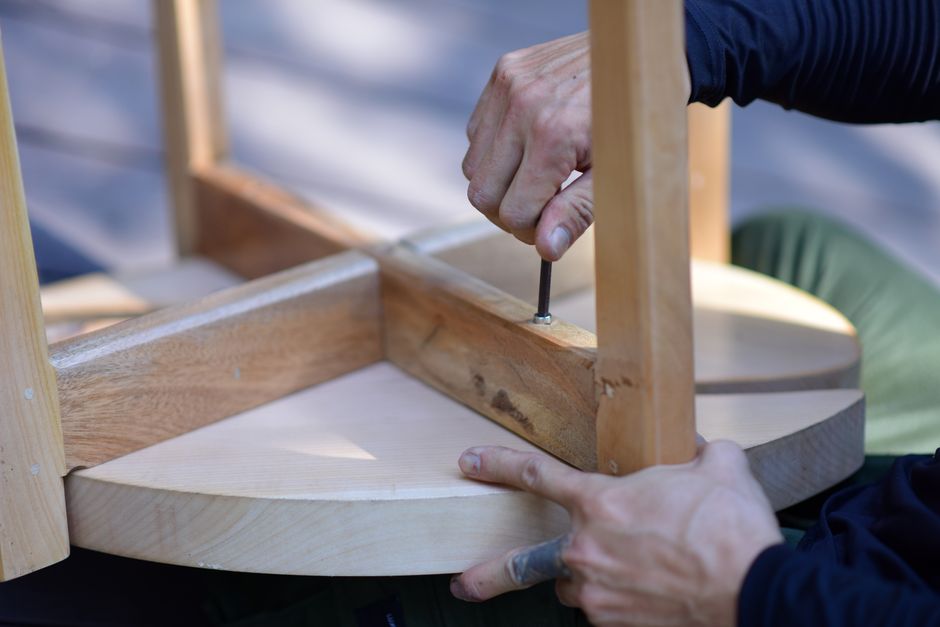
Handmade furniture represents something increasingly rare in our mass-produced world: objects created with individual attention and craftsmanship. Understanding the value of handmade pieces helps explain why many homeowners choose custom furniture over factory-produced alternatives.
Craftsmanship creates quality. When furniture is handmade by skilled craftspeople, every joint, finish, and detail receives direct attention. Problems are noticed and corrected during creation. This personal oversight produces pieces that function better and last longer than mass-produced items. You're investing in decades of reliable use, not years.
Materials matter differently in handmade pieces. Craftspeople typically select superior woods and materials, understanding how different options perform over time. They choose materials based on quality, not just cost minimization. A handmade wooden table uses properly dried wood that resists warping and movement. Upholstered pieces use quality fabrics and construction techniques that hold up to actual family use.
Uniqueness has value. Your handmade furniture is literally one of a kind. While mass-produced pieces might be found in multiple homes in your neighborhood, your custom furniture is distinctly yours. This individuality makes your home feel more personal and reflects your specific taste and lifestyle.
Customization solves real problems. Every home has specific challenges—awkward room dimensions, unique style preferences, particular functional needs. Handmade furniture can be designed to address your specific situation. Rather than adapting your needs to available pieces, the furniture adapts to you.
Longevity reduces long-term cost. Quality handmade furniture often costs more initially than mass-produced alternatives. However, because these pieces last two or three times longer, the actual cost per year of ownership becomes more economical. You're not replacing furniture repeatedly or watching quality decline over years.
Connection to creation adds meaning. Knowing who built your furniture, understanding the materials chosen, and appreciating the craftsmanship involved creates a different relationship with these pieces. Handmade furniture becomes more than objects; they become expressions of someone's skill and your personal choices.
Environmental impact matters. Handmade furniture typically creates less waste and uses more sustainable practices than factory production. Quality pieces used for decades create a smaller environmental footprint than disposable alternatives replaced repeatedly.
Repair and refinishing maintain value. Quality handmade pieces can be refinished, reupholstered, or repaired by craftspeople. Your furniture can evolve with your life and style changes. Mass-produced pieces often can't be meaningfully updated or repaired.
Investment mentality shifts. Instead of viewing furniture as temporary purchases, handmade pieces encourage thinking about long-term value and lasting quality. This perspective changes how you select and care for your furnishings.
Handmade furniture represents intentional living. It reflects choosing quality, personalization, and lasting value over convenience and disposability. When you invest in custom, handmade pieces, you're making choices that benefit your home, your wallet, and your satisfaction for years to come.